



Thanksgiving: History, Traditions, and Meaning
Every year, at the end of November, people across the United States come together to celebrate one of the most cherished holidays: Thanksgiving. While many associate it with a feast of turkey and family gatherings, the holiday carries a deeper meaning that goes beyond food. Here, we explore five key aspects of Thanksgiving that shed light on its history, traditions, and enduring significance.
1. History and Origins
Thanksgiving traces its roots back to 1621 when the Pilgrims and Native Americans gathered to celebrate a successful harvest. This early celebration was about more than food – it was a time to express gratitude for community, survival, and abundance. Over the centuries, Thanksgiving evolved into an official national holiday, with the turkey becoming an iconic symbol, earning it the nickname “Turkey Day.”
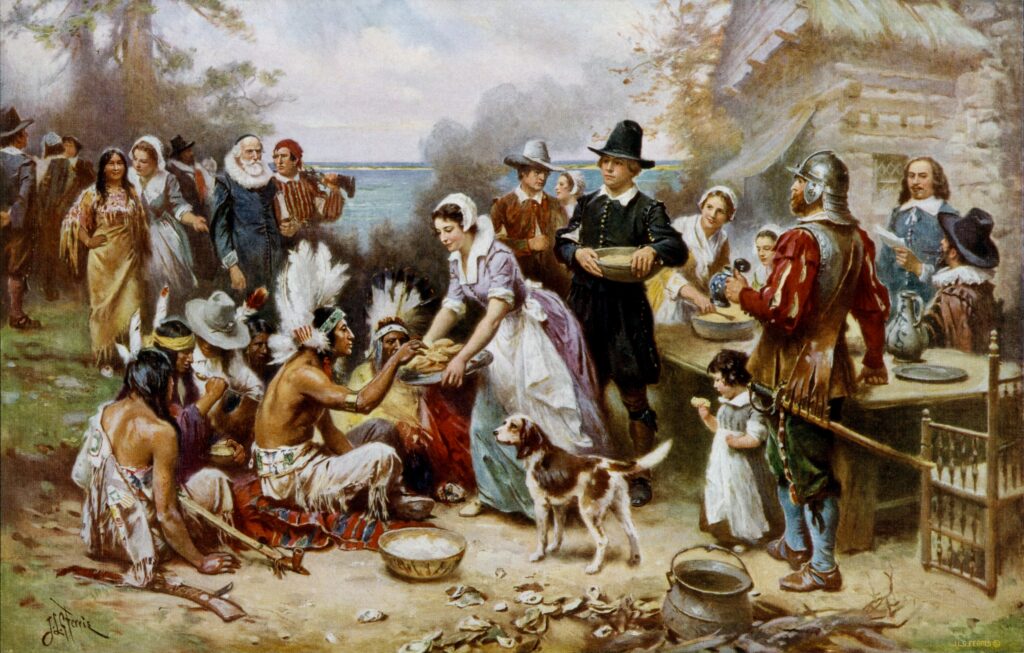
“The First Thanksgiving 1621, oil on canvas by Jean Leon Gerome Ferris (1899).”
2. Traditions Across Generations
From simple harvest meals to grand parades, Thanksgiving has transformed while preserving its core values. Today, it is marked by events such as the Macy’s Thanksgiving Day Parade, traditional football games, and the Turkey Pardon at the White House. Despite societal changes, these traditions connect generations and reinforce a sense of togetherness and celebration.
3. The True Meaning of Thanksgiving
Thanksgiving is much more than food and family gatherings. It is a moment to pause, reflect, and express gratitude – for family, friends, community, and life’s blessings.

“Thanksgiving is about more than just a meal.”
Gratitude during Thanksgiving is not only a personal practice; studies suggest it can strengthen relationships, increase happiness, and improve overall well-being.
4. Iconic Foods and Their Significance
No Thanksgiving celebration is complete without classic dishes like turkey, stuffing, pumpkin pie, and cranberry sauce.
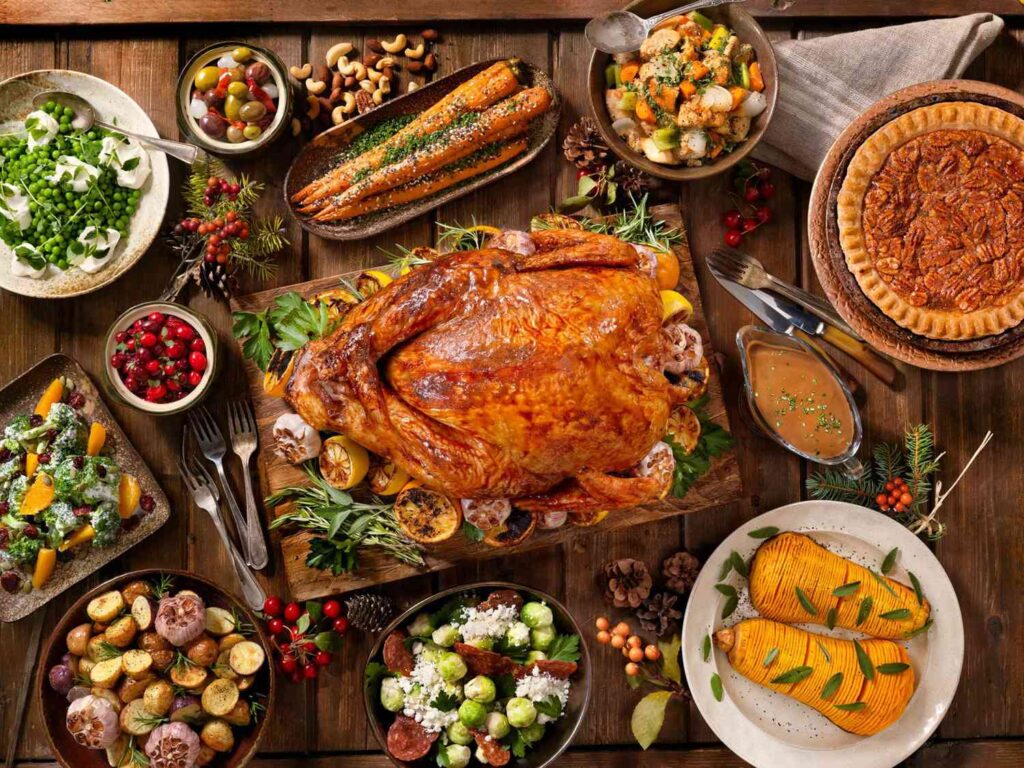
“Classic Thanksgiving dishes that bring flavor, history, and meaning to every holiday table.”
Each dish carries symbolic meaning: turkey represents abundance, pumpkin pie evokes the essence of autumn, and cranberry sauce adds a unique flavor that completes the festive meal. Together, they form a culinary tradition that spans centuries.
5. Thanksgiving Traditions Around the World
Although it is best known in the U.S., the spirit of Thanksgiving extends globally. Canada celebrates Thanksgiving in October, Liberia observes a similar holiday to honor freedom, and many other countries have customs to express gratitude and reflection. This shows that the value of thankfulness transcends borders and cultures.
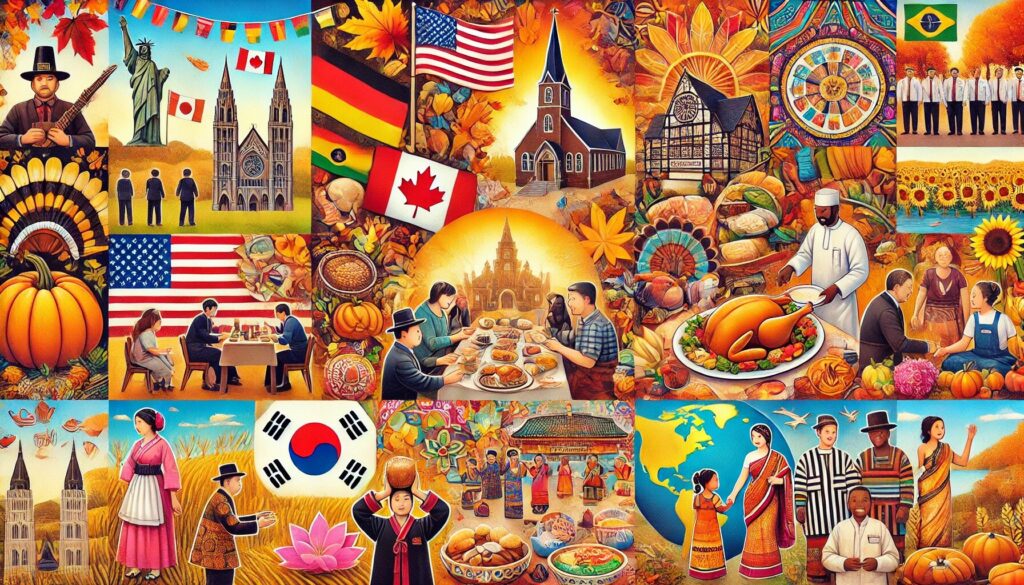
“Thanksgiving is celebrated in many ways, reflecting the diverse cultures of the world.”
Conclusion
While Thanksgiving is deeply rooted in family and community, its message of gratitude has meaningful applications in the business world. Organizations that cultivate a culture of appreciation, recognizing employees, celebrating milestones and valuing partnerships, foster stronger engagement, loyalty and collaboration. Just as individuals pause to give thanks, companies can reflect on achievements and express gratitude, creating an environment where both people and business thrive. At Teaser Software, we embrace this philosophy by celebrating our team, valuing our clients and recognizing every milestone as part of our journey.

